





Virtual Farm Tours
Experience Dairy Operations from Around the World
World Dairy Expo Virtual Farm Tours have connected Expo attendees with innovative dairy operations from across the globe for over 20 years. These educational videos give viewers and dairy enthusiasts an inside look at how leading farms operate in today’s evolving dairy industry.
Dairies featured each year excel in a variety of farm aspects including:
- Cow comfort and herd management
- Milking technology and automation
- Genetics and breeding programs
- Environmental stewardship and sustainability
- Employee and family operations
- Community involvement and outreach
- Facility design and modernization
From large-scale commercial dairies to family-owned operations, our Virtual Farm Tours highlight a diverse range of herd sizes, management styles, breeds, and geographic regions.
Virtual Farm Tour Schedule During Expo
During Expo's Virtual Farm Tours, dairy owners and managers share a visual presentation with time for questions and an open discussion afterward. Virtual Farm Tours are hosted Tuesday through Friday during World Dairy Expo.
Location: Mendota 1, Exhibition Hall
Time: 9:30 a.m. daily
Attendees are encouraged to arrive early to ask questions and explore modern farm management strategies.
| Wednesday, September 30 | ||||||||
|
9:30 a.m.
|
Coldstream Farms Sponsored by: Semex |
|||||||
|
Thursday, October 1 |
||||||||
|
9:30 a.m.
|
Middleton, Michigan |
|||||||
| Friday, October 2 | ||||||||
|
9:30 a.m.
|
Dublin, Texas Sponsored by: DeLaval |
|||||||


Interested in Hosting or Sponsoring a Virtual Farm Tour?
Virtual Farm Tours offer a sponsoring company the opportunity to showcase an outstanding customer.
Registration for sponsoring companies for 2026 is now closed. If you are interested in participating in future Expo dates, please contact the World Dairy Expo team for additional information about hosting opportunities and sponsorship availability.
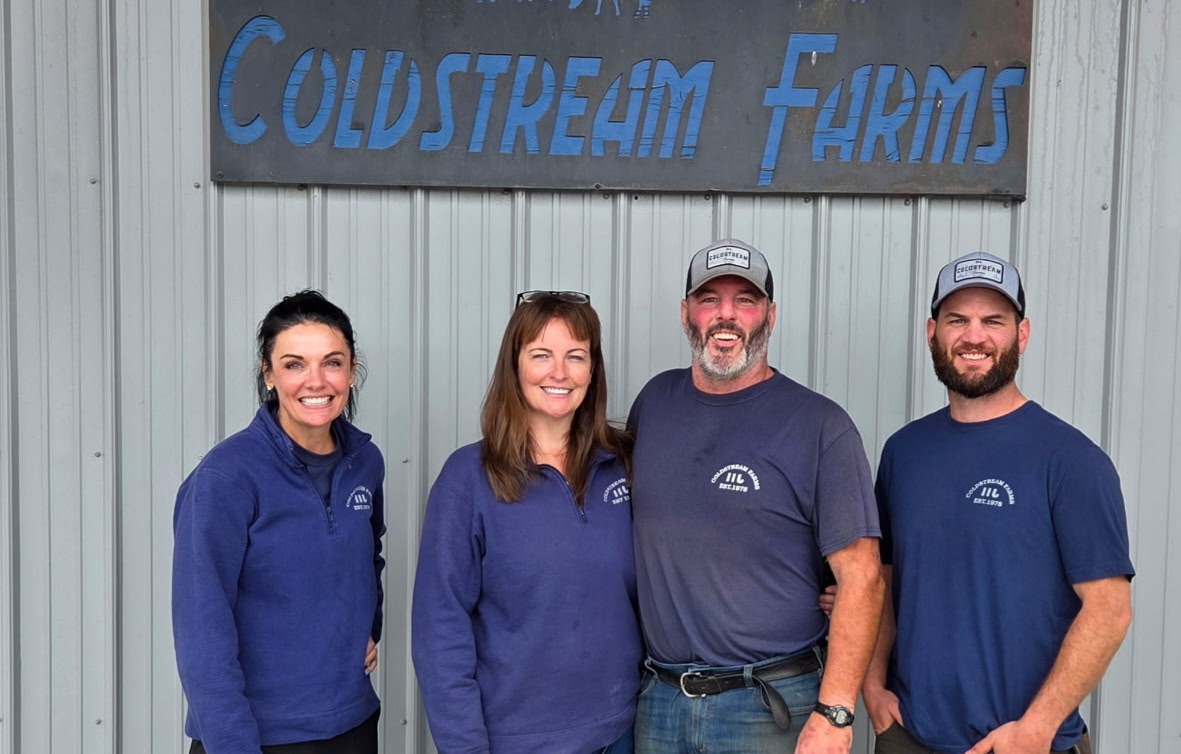
Wednesday, September 30, 2026 - 9:30 a.m.
Coldstream Farms – Deming, Wash.
Sponsored by: Semex
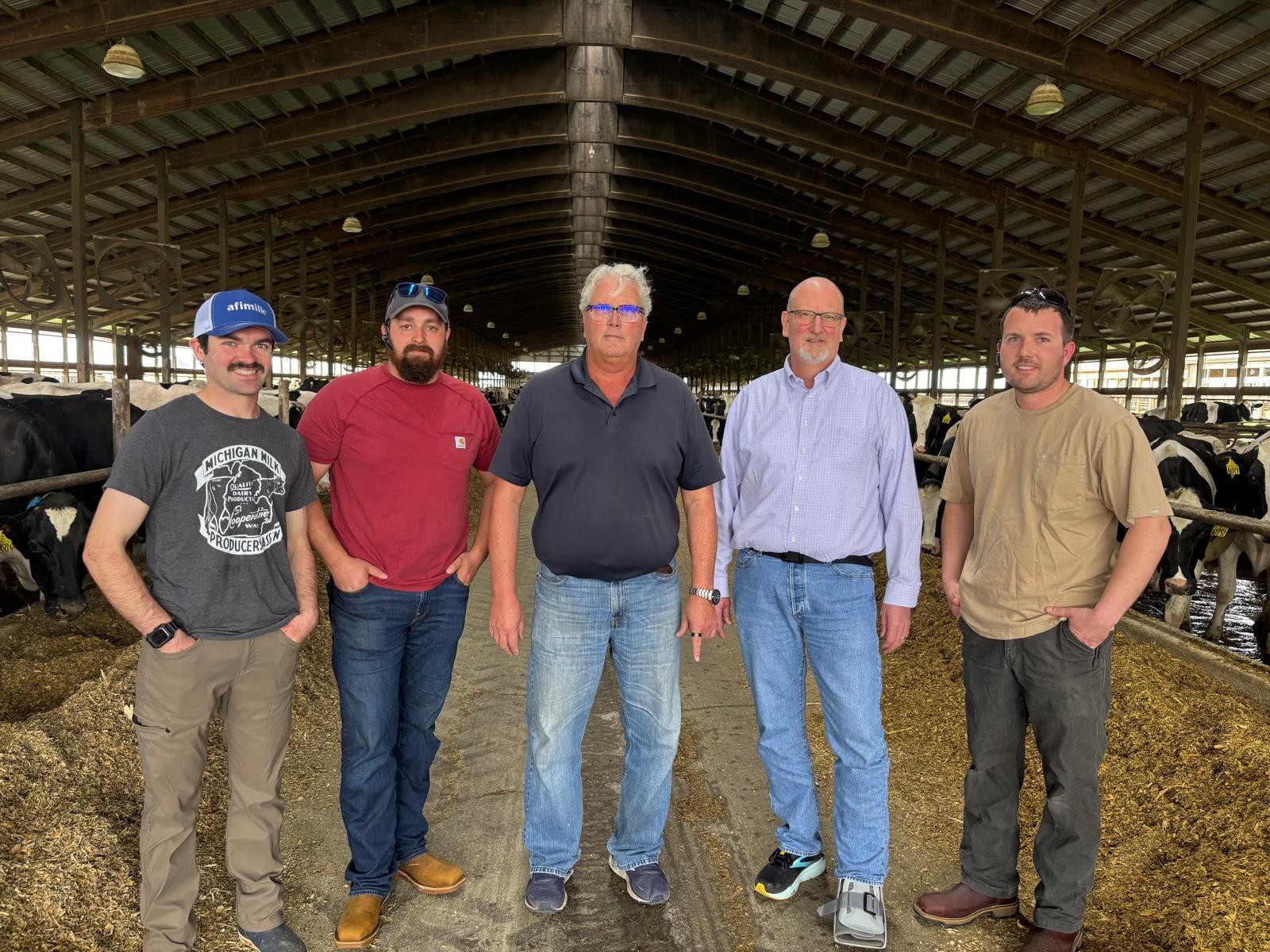
Thursday, October 1, 2026 - 9:30 a.m.
Double Eagle Dairy – Middleton, Mich.
Sponsored by: Afimilk
Friday, October 2, 2026 - 9:30 a.m.
Rancho Pepper Dairy – Dublin, Texas
Sponsored by: DeLaval
|
Established in 1988, Rancho Pepper Dairy originally housed a double-27 parallel milking parlor and freestall barns situated on 2,000 acres. The farm transitioned to organic production in 2006 and has since expanded to 4,400 acres dedicated entirely to pasture. In 2022, the operation advanced further by installing North America’s first DeLaval VMS batch-milking facility, which utilizes 22 VMS V300 units in a double-11 parallel parlor configuration. This automated system allows the herd to graze from March until October while receiving twice-daily milking with minimal labor requirements. Today, Rancho Pepper Dairy maintains a rolling herd average of 17,000 pounds of milk, featuring 4.5% butterfat and 3.4% protein. |
|
|
Herd management centers on cow comfort and genetic progress. Cows are housed using sand bedding in the freestalls and compost bedding under shades in the open dry lots. The farm’s breeding program utilizes genomic-tested Jersey donor cows and slick-gene Holstein donors. Sires are strictly selected based on longevity, fertility, A2A2 beta-casein, low somatic cell count (SCC), high butterfat production, and feed efficiency. This strategy incorporates sexed Holstein semen along with beef-on-dairy matings to optimize the value of non-replacement calves. |
|
|
Environmental stewardship is also woven into daily operations through regenerative agriculture practices. Specifically, Rancho Pepper Dairy employs adaptive multi-paddock grazing to enhance soil health, biodiversity, water infiltration, and pasture productivity. Additionally, an on-site solar array supplies approximately 70% of the electricity required by the robotic milking facility, significantly reducing the farm’s grid energy consumption. The farm also maintains structured community and employee support programs. To date, Rancho Pepper Dairy has provided more than $1 million in higher education scholarships to their employees’ children. Furthermore, the farm staff have contributed thousands of hours of volunteer service to local organizations, and the operation has donated more than $400,000 to regional food banks and hunger relief initiatives. |
|


